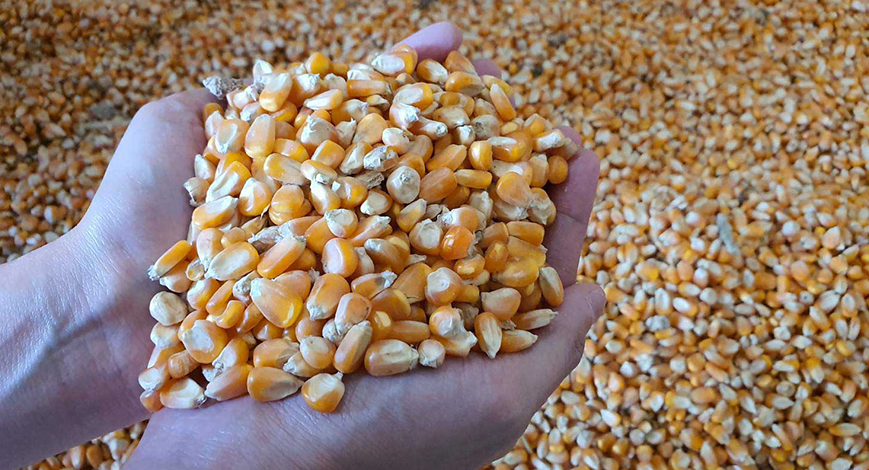
Understanding Quality Standards and Moisture Control in Maize Exports
Maize exports play a critical role in the global agricultural trade, especially in the animal feed and food processing industries. As international demand for yellow corn continues to grow, maintaining strict quality standards and proper moisture control has become essential for exporters. Buyers across South Asia, GCC countries, Africa, and Europe expect maize shipments to meet precise safety and performance benchmarks. Failure to comply can result in spoilage, financial losses, and damaged business relationships.
Why Quality Standards Matter in Maize Exports
In global trade, quality is not just a preference but a requirement. Importers rely on export grade maize to ensure stable feed production, food safety, and industrial efficiency. Poor quality maize with high moisture, fungal contamination, or excessive foreign matter can create serious risks, including livestock health issues and reduced feed performance.
Quality standards in maize exports typically focus on:
- Moisture content
- Aflatoxin levels
- Broken and damaged kernels
- Foreign matter percentage
- Pesticide residue compliance
Meeting these standards helps exporters build long term partnerships and maintain a strong reputation in competitive international markets.
Importance of Moisture Control in Maize
Moisture control is one of the most critical factors in maize export quality management. Ideally, maize moisture content should remain below 15 percent. Higher moisture levels increase the risk of fungal growth, mold formation, and aflatoxin contamination during storage and transportation.
When maize is exported over long distances, especially by sea freight, shipments may remain in containers for weeks. Excess moisture can lead to condensation inside containers, causing grain deterioration and quality degradation. This not only affects nutritional value but may also result in shipment rejection by import authorities.
Proper drying techniques after harvesting are essential to achieve safe moisture levels. Modern drying systems use controlled heat and airflow to reduce moisture without damaging kernel quality. Continuous monitoring ensures consistency across bulk shipments.
Aflatoxin Testing and Safety Compliance
Aflatoxin contamination is a major concern in maize exports. Aflatoxins are toxic substances produced by certain molds, especially in humid conditions. International buyers typically require aflatoxin levels to remain below permissible limits, often less than 20 parts per billion.
To maintain compliance, exporters conduct laboratory testing before shipment. Regular aflatoxin testing not only ensures safety but also strengthens trust with global clients. Advanced screening methods and proper storage conditions significantly reduce contamination risks.
Cleaning and Grading Processes
High quality maize export begins with proper cleaning and grading. Cleaning removes dust, stones, husk particles, and other impurities. This step improves product appearance and enhances safety. Grading then sorts kernels based on size and quality, ensuring uniformity in bulk consignments.
Uniform grain size is particularly important in animal feed production, where consistency affects feed formulation and digestibility. Exporters who invest in modern cleaning and grading equipment can consistently meet buyer specifications and improve overall customer satisfaction.
Packaging and Storage Standards
Packaging plays a vital role in preserving maize quality during transit. Moisture resistant and airtight packaging options such as polypropylene bags or bulk container liners help protect the product from humidity and contamination.
Proper warehouse storage before export is equally important. Well ventilated storage facilities with controlled humidity levels prevent moisture absorption and fungal growth. Stock rotation systems ensure older inventory is shipped first, minimizing the risk of deterioration.
Role of Documentation and Traceability
In modern agricultural exports, traceability has become a key requirement. Buyers want assurance that maize has been sourced responsibly and processed under hygienic conditions. Clear documentation including quality certificates, test reports, and phytosanitary certificates enhances credibility.
Exporters who maintain transparent quality records and comply with international standards such as Good Manufacturing Practices gain a competitive advantage in global markets.
Building Long Term Trust Through Quality
Consistent quality standards and strict moisture control are not just operational processes; they are strategic business commitments. Importers prefer suppliers who provide reliable quality, transparent communication, and accurate documentation.
By focusing on moisture management, aflatoxin prevention, cleaning efficiency, and secure packaging, maize exporters can reduce risks and enhance product value. In a rapidly growing global animal feed industry, maintaining export quality maize standards ensures sustainable growth, customer loyalty, and long term success in international trade.
As global demand continues to expand, exporters who prioritize quality control and moisture regulation will remain leaders in the competitive maize export market.