Rising Demand for Yellow Corn in Global Animal Feed Industry
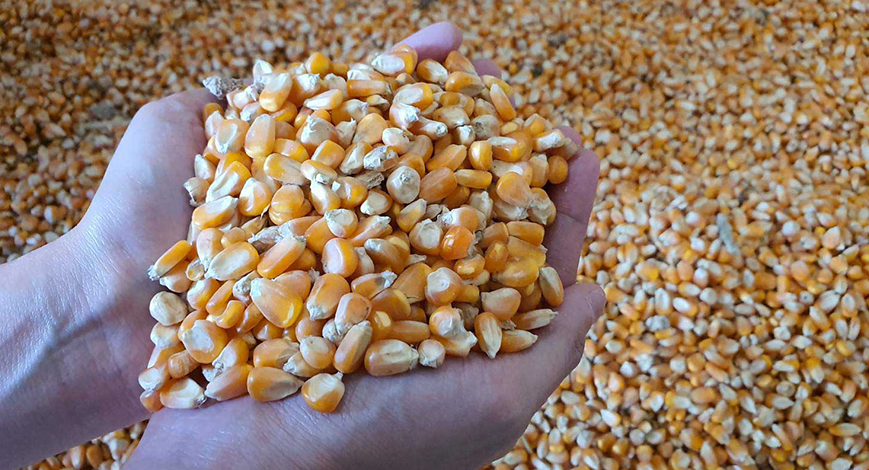
The global animal feed industry is witnessing significant growth, and yellow corn has emerged as one of the most essential raw materials driving this expansion. As livestock and poultry production continue to rise across developing and developed economies, the demand for high quality yellow corn for animal feed is increasing rapidly. Exporters and suppliers are focusing on delivering consistent, safe, and nutritionally balanced corn to meet the evolving needs of international markets.
Why Yellow Corn is Essential for Animal Feed
Yellow corn is a primary energy source in animal nutrition. It contains high carbohydrate content, making it ideal for poultry, cattle, swine, and aquaculture feed formulations. The digestibility and energy density of yellow corn help improve weight gain, feed conversion ratio, and overall livestock productivity.
In poultry farming especially, yellow corn plays a critical role due to its rich starch content and natural pigments such as xanthophylls, which enhance egg yolk color and poultry skin pigmentation. This makes it highly preferred by feed manufacturers across South Asia, GCC countries, Africa, and Europe.
Increasing Global Livestock Production
One of the main factors behind the rising demand for yellow corn is the steady growth of the livestock sector. Rapid urbanization, population growth, and rising disposable incomes have increased the consumption of meat, dairy, and poultry products worldwide. To meet this demand, farmers require reliable and high quality feed ingredients.
Countries with expanding poultry and dairy industries are increasing their imports of animal feed corn to ensure uninterrupted production. As a result, export grade maize with controlled moisture levels and low aflatoxin content has become a critical requirement in international trade.
Importance of Quality Standards in Corn Exports
In global markets, quality compliance is not optional. Buyers demand strict quality parameters including:
- Moisture content below 15 percent
- Aflatoxin levels below permissible limits
- Minimal foreign matter and broken kernels
- Safe pesticide residue levels
Maintaining these standards ensures product safety, prevents spoilage during long transit, and supports long term trade relationships. Reliable suppliers implement cleaning, drying, grading, and proper packaging processes to deliver consistent export quality yellow corn.
Role of Technology and Processing
Modern maize processing techniques have significantly improved product quality and efficiency. Advanced cleaning systems remove dust, stones, and impurities. Scientific drying methods help maintain optimal moisture levels, reducing the risk of fungal growth. Grading ensures uniform kernel size, which is important for feed formulation consistency.
Additionally, flaked corn processing is gaining popularity in livestock feed. Flaked corn improves digestibility and enhances nutritional absorption, leading to better performance in cattle and poultry. This innovation is contributing to the growing demand for processed animal feed corn products.
Sustainability and Contract Farming
Sustainability is becoming a key focus in agricultural exports. Climate resilient maize varieties and responsible farming practices are helping ensure stable production despite environmental challenges. Many exporters are adopting contract farming models to maintain quality consistency and supply reliability.
By working directly with farmers, suppliers can ensure better crop monitoring, controlled pesticide usage, and improved harvesting methods. This not only strengthens traceability but also builds trust with international buyers.
Expanding Opportunities in South Asian Markets
South Asian countries remain one of the fastest growing regions for animal feed corn imports. Rapid expansion of poultry farms and dairy units has created strong demand for reliable maize exporters. Buyers in these markets prioritize competitive pricing, quality assurance, and timely delivery.
Exporters who maintain consistent supply chains, transparent documentation, and strict quality testing procedures are well positioned to capture these growing opportunities.
Future Outlook of Yellow Corn Trade
The future of yellow corn in the global animal feed industry looks highly promising. Increasing protein consumption, advancements in feed technology, and growing industrial uses such as ethanol production are expected to further boost demand.
For exporters and suppliers, the key to long term success lies in maintaining high quality standards, adopting sustainable practices, and building strategic global partnerships. As the livestock sector continues to expand, yellow corn will remain a cornerstone of animal nutrition and international agro trade.
By focusing on quality, compliance, and customer satisfaction, suppliers can play a vital role in supporting the global animal feed industry while strengthening their presence in competitive export markets.